
Food safety monitoring guide · Customer use cases
Temperature Monitoring for Food Safety Compliance: A Practical Guide for Restaurants and Cold Storage Operations
Food businesses do not struggle because they lack thermometers. The harder problem is maintaining a reliable process across every refrigerator, freezer, walk-in cooler, and production area—during busy shifts, overnight periods, equipment faults, and routine inspections. Real feedback from O’Tasty Foods Inc., i-VA Connect T/A Foodflow, and LE 7 Fonti Catering SRLS shows how continuous monitoring, notifications, and accessible temperature records can strengthen that process.
What “Supporting Compliance” Really Means
Food safety rules and required temperature limits vary by jurisdiction, product, and operation. A monitoring system does not certify a business or guarantee compliance. Operators must follow their own food safety plan and the requirements of the relevant authority. In the United States, for example, the FDA Food Code provides a model that jurisdictions may adopt or adapt.
Technology can support consistent checks, temperature records, abnormal-reading notifications, and faster data review. It does not remove human responsibility; it reduces reliance on memory-based checks.
Where Manual Temperature Workflows Break Down
Checks only capture one moment
A handwritten reading does not show what happened between checks or overnight. O’Tasty Foods, a Southern California manufacturer of frozen gyozas and char-siu baos, previously checked temperatures every two to four hours and recorded them on paper. The company reported that deviations or refrigeration problems could remain unnoticed.
More equipment creates more administrative work
Foodflow, an Irish food-safety and stock-management solution provider, said customers with 10 to 20 refrigerators and freezers historically relied on probe checks and paper records. Repeating that process across counters, fridges, freezers, and walk-in cold rooms consumes staff time and increases the chance of incomplete records.
Records and alerts can become disconnected
LE 7 Fonti Catering uses refrigerators and freezers for vegetables, meat, and other food raw materials. Before adopting MOCREO, the team controlled temperatures manually and produced manual logs for its HACCP process. The customer was looking for monitoring, automatic alarms, and stored temperature data as one connected workflow.
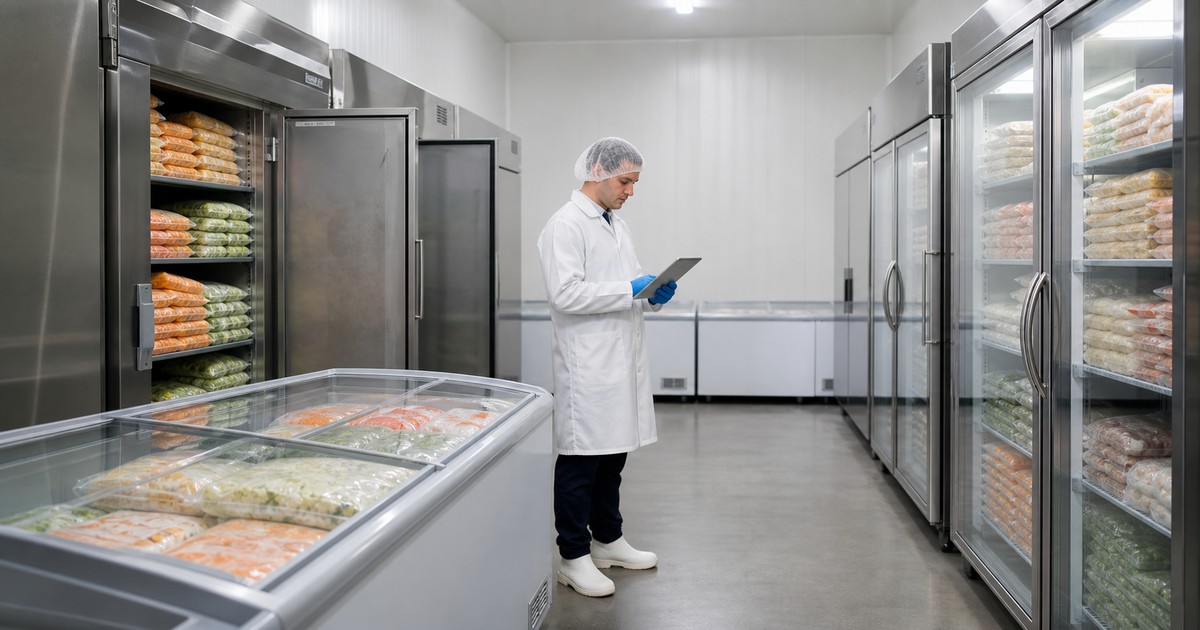
Three Customer Use Cases: Before → Solution → Change
O’Tasty Foods Inc.
Before: Manual readings every two to four hours with paper logs. Temperature deviations or refrigeration issues could remain unnoticed.
Solution: Constant monitoring, app access to temperature records, and app/phone alerts.
Change: The team gained 24-hour access to records. It said alerts have been helpful when temperature spikes were related to production, weather, or equipment malfunctions.
i-VA Connect T/A Foodflow
Before: Customers with 10–20 refrigerators or freezers relied on probe checks and paper records.
Solution: Easy-to-install sensors used across counters, fridges, freezers, and walk-in cold rooms.
Change: Foodflow reported that the system is simple for staff and saves customers at least one hour per day. It also highlighted protection against overnight equipment failures and potential stock loss.
LE 7 Fonti Catering SRLS
Before: Manual temperature control and manual logs for refrigerators and freezers.
Solution: Temperature monitoring, automatic alarms, and database storage of temperature data.
Change: The customer confirmed that this combination matched the workflow it had been seeking for kitchen-lab and food-storage management.
What Can Be Transferred to Other Food Businesses?
These businesses operate in different food sectors, but the pattern is consistent: restaurants, central kitchens, manufacturers, and retailers often manage several refrigerated areas with different operating demands.
The transferable lesson is to design monitoring around the entire site. Continuous readings fill the time between checks, notifications focus attention, and historical records support review. For additional site-planning guidance, see the MOCREO Cold Storage Temperature Monitoring Guide. Monitoring technology does not replace food handling procedures, calibration, verification, or corrective action.
How to Build a Practical Temperature Monitoring Workflow
1. Start with the monitoring points
Count equipment before choosing products. Include backup units and areas that operate only during peak periods. Identify which locations are separated by walls, floors, or distance, because the site layout affects the appropriate communication and hub plan.
2. Decide where an external probe is appropriate
For a refrigerator or freezer, an external probe can measure inside the cold space while the sensor body remains in a suitable mounting position. The probe, sensor, and hub should be considered together; buying a probe without confirming sensor and hub compatibility does not create a complete monitoring solution.
3. Set notifications around real operations
An alert should reach someone who knows what to check. Teams should consider opening hours, loading periods, defrost cycles, production activity, and escalation responsibilities. Thresholds and delays should reflect the food safety plan and equipment behavior rather than copying a generic setting. Teams should also test notification delivery and escalation before relying on the workflow during unattended hours.
4. Keep a human response process
When a notification occurs, staff still need a defined action: verify the reading, inspect the equipment, assess the affected product, record the response, and escalate when required. Automated monitoring is most valuable when it connects directly to that operating procedure.
What to Look for in a Food Temperature Monitoring System
Two MOCREO Setup Examples
The appropriate setup depends on the site. The options below illustrate two common starting points; they are not universal prescriptions. Compatibility is based on the current MOCREO product list and should be reconfirmed before purchase.
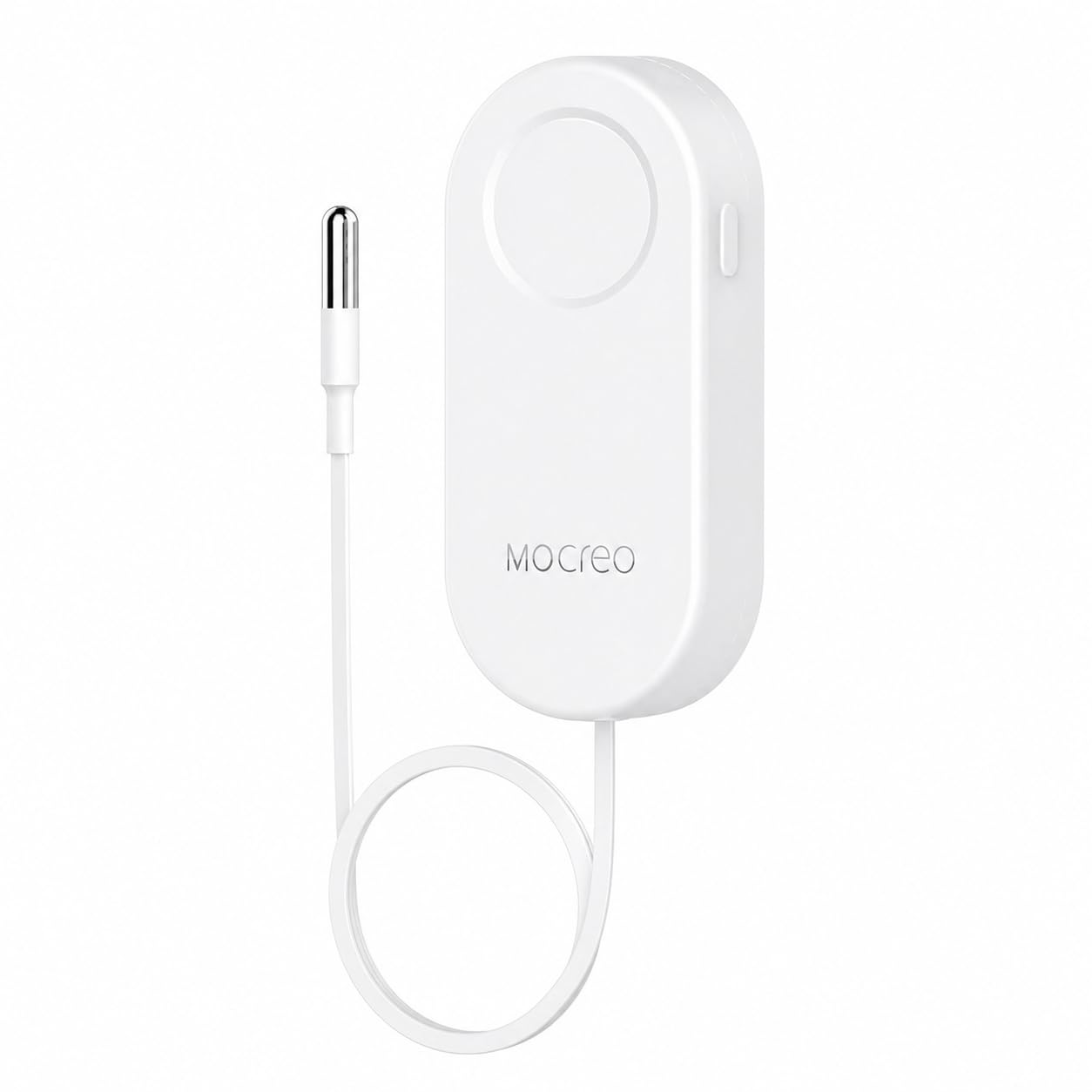
MS2 + Compatible MOCREO Hub
For individual or relatively concentrated refrigerators and freezers. The product list identifies MS2 as a BLE temperature sensor with a flat external probe and magnetic mounting. A compatible hub is required to form the complete connected workflow.
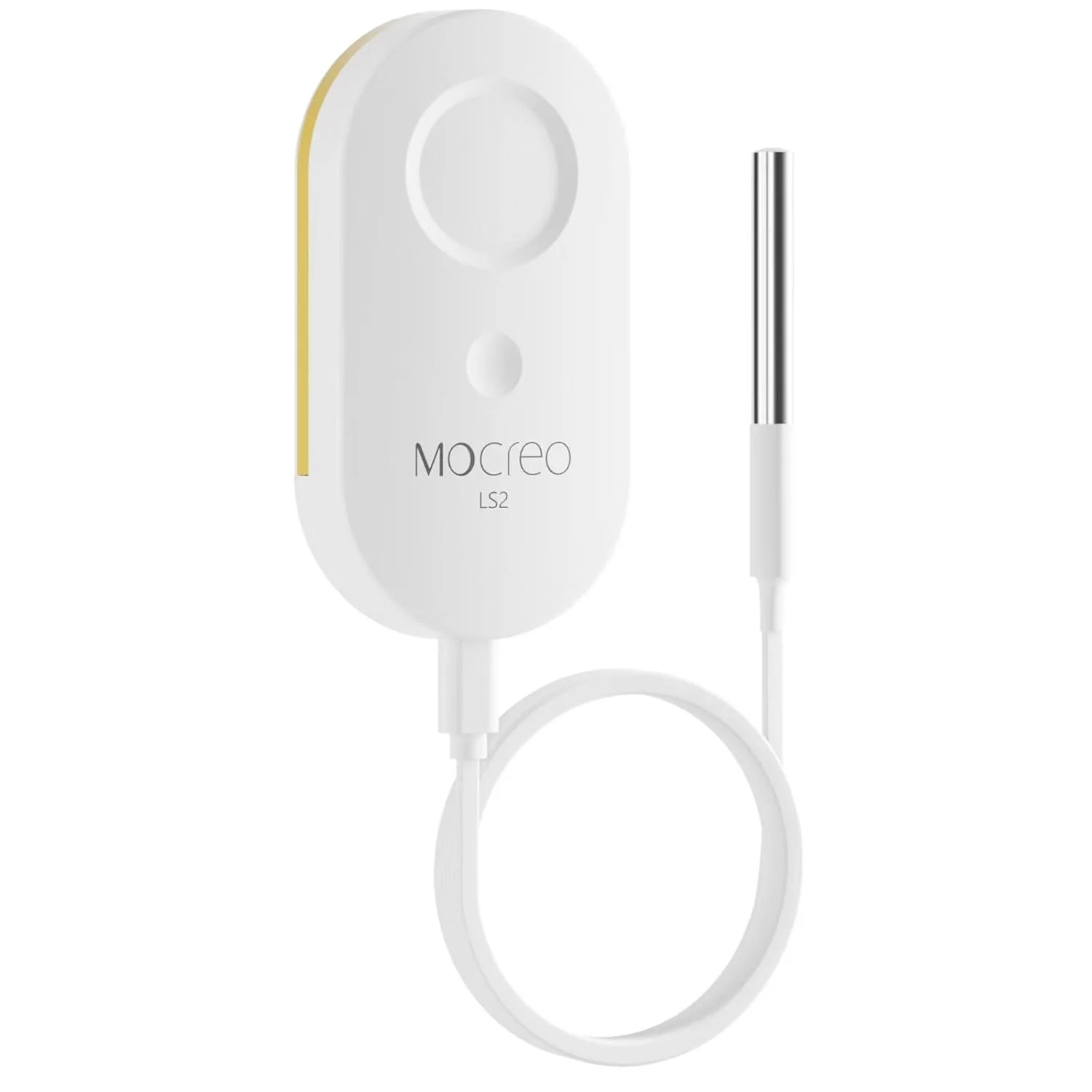
LS2 + H5-Pro or H6-Pro Hub
For larger or more distributed monitoring plans. The current product list identifies LS2 as a LoRa and BLE long-range temperature sensor compatible with H5-Pro and H6-Pro. Site conditions and current availability should be confirmed before selection.
Explore a multi-point cold-storage monitoring setup →
FAQ: Food Safety Temperature Monitoring
Does automatic temperature monitoring guarantee food safety compliance?
No. It can support monitoring, records, and earlier awareness of temperature events, but the food business remains responsible for its food safety plan, verification, corrective action, and applicable legal requirements.
Can automatic monitoring replace manual checks?
That depends on the applicable rules and the business’s procedures. Many operations continue manual verification while using automatic monitoring to improve visibility between scheduled checks and during unattended periods.
Why are temperature records useful?
Records help managers review conditions over time, investigate events, and prepare information for internal reviews or inspections. Record availability alone does not prove that required corrective action was taken.
How should a business choose between a compact and long-range setup?
Start with the number of monitoring points, site layout, distance and barriers, probe requirements, compatible hubs, and notification workflow. Confirm the final configuration for the actual facility.
Conclusion
The most useful food temperature monitoring system is not the one with the longest feature list. It is the one that fits the operation and connects measurements to people, records, and response procedures. O’Tasty Foods, Foodflow, and LE 7 Fonti Catering each began with a different environment, yet all three highlight the same shift: moving from isolated manual readings toward continuous visibility, accessible records, and notifications that support faster attention.
For restaurants and cold storage operators, the practical starting point is simple: map the equipment, verify the sensor–probe–hub combination, define who receives notifications, and keep a clear corrective-action process. That is how monitoring technology can support—not replace—a responsible food safety program.